
How to Use Rat Repellent for Long-Term Rodent Control
 Tracy Robinson on
 For long-term rodent control, select a rat repellent suited to the environment—weather-resistant for outdoors, non-toxic indoors. Apply repellents near entry points, activity zones, and during early infestations, avoiding extreme weather. Maintain effectiveness by reapplying as directed, monitoring treated areas, and storing products properly. Combine repellents with sealing entry points, traps rat pest control, and cleanliness to prevent resistance and reinforce results. Observing signs of improvement or ongoing activity guides further action. Exploring integrated strategies enhances sustained rodent management.

How to Choose the Right Rat Repellent for Your Needs
When selecting a rat repellent, understanding the specific environment and severity of the infestation is essential. Different repellents—ultrasonic devices, natural oils https://igreenasia.com/, or chemical sprays—offer varied levels of effectiveness depending on the setting.
Outdoor areas may benefit from weather-resistant solutions, while indoor spaces require non-toxic options to guarantee safety. The freedom to choose a method aligned with personal values and lifestyle is paramount.
Additionally, considering the ease of application and maintenance supports long-term success without constant intervention. Evaluating the repellent’s impact on non-target animals and humans also preserves one’s liberty in a shared environment.
Ultimately, selecting the right repellent balances efficiency, safety, and respect for individual autonomy, providing a sustainable path to reclaiming control over one’s space.
Where and When to Apply Rat Repellent for Best Results
Effective use of rat repellents depends not only on the type chosen but also on the strategic placement and timing of application. Repellent should be applied near common entry points such as doorways, vents, and cracks where rodents are likely to enter. Areas with signs of activity, including droppings or gnaw marks, also warrant treatment. Outdoor placement around foundations, garbage bins, and gardens helps create a protective barrier.
Timing is essential: applying repellents during early signs of infestation or before peak rodent seasons enhances effectiveness. Seasonal application in late summer or early fall, when rodents seek shelter indoors, can prevent incursions. Avoid applying during heavy rain or extreme heat to maintain potency. Following these guidelines allows for targeted, efficient use of repellents, supporting long-term freedom from rodent disturbances.
Tips for Maintaining Repellent Effectiveness Over Time
Regularly monitoring treated areas is essential to maintaining the effectiveness of rat repellents over time. This vigilance guarantees the repellent remains potent, safeguarding one’s space and peace.
To sustain repellent efficacy and enjoy uninterrupted freedom from rodent disturbances, consider these key tips:
- Reapply repellent according to manufacturer guidelines to maintain active protection.
- Inspect for environmental changes like rain or cleaning that may reduce repellent presence.
- Store repellents properly to preserve their potency and avoid degradation.
- Replace repellents showing signs of wear or diminished scent to prevent rodents from adapting.
Combining Rat Repellent With Other Rodent Control Methods
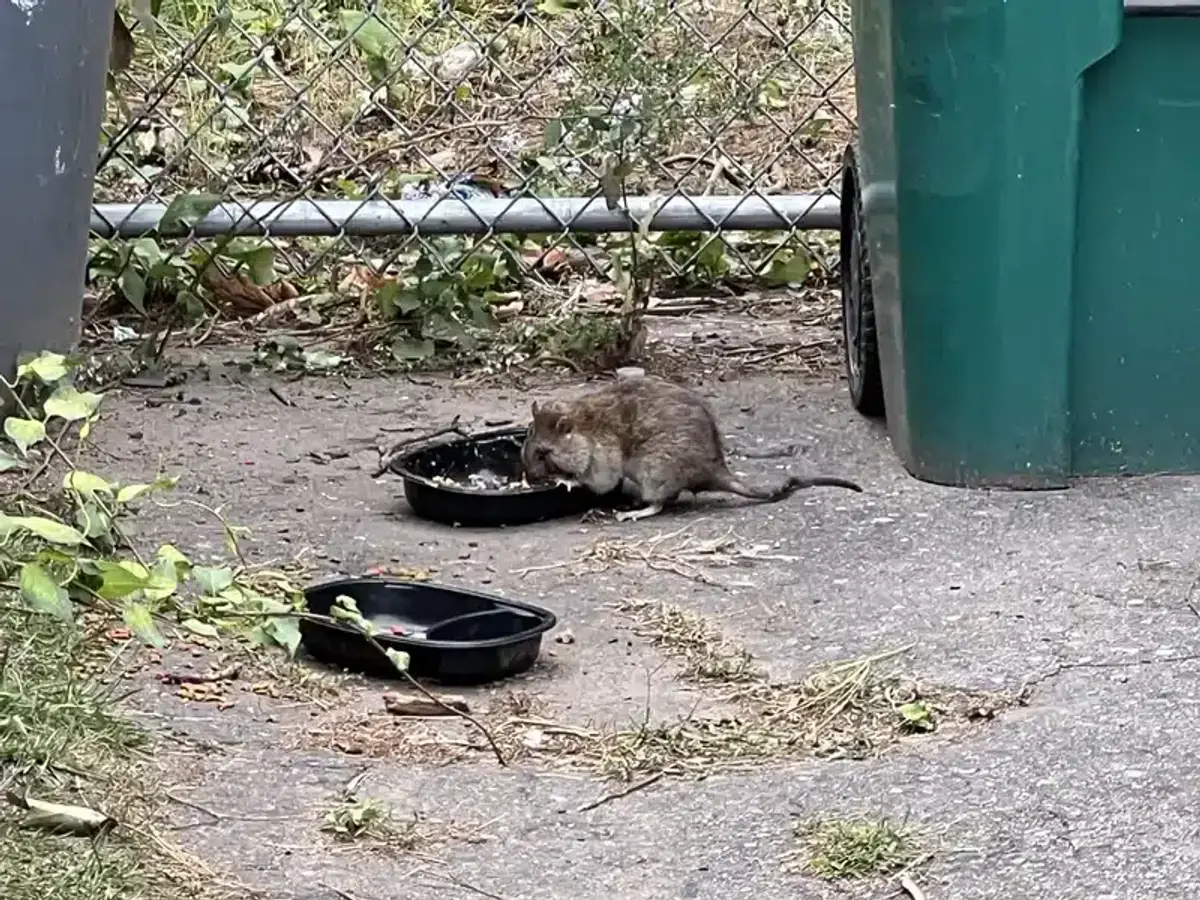
In conjunction with rat repellents, integrating additional rodent control methods can enhance overall pest management effectiveness. Combining repellents with physical barriers, such as sealing entry points, restricts rodent access and reinforces protection.
Utilizing traps complements repellents by directly reducing rodent populations, while maintaining cleanliness and removing food sources limits attraction. This multi-faceted approach empowers individuals to regain control over their environment without overreliance on a single solution.
Employing diverse tactics also minimizes resistance development, ensuring sustained long-term results. By thoughtfully blending repellents with other strategies, freedom from persistent rodent issues becomes achievable, promoting a balanced ecosystem and safer living spaces.
This integrated method aligns with a proactive mindset, fostering independence in managing pest challenges effectively and responsibly.
Signs Your Rodent Problem Is Getting Better or Needs More Action
Often, subtle changes in the environment and rodent activity provide clear indicators of whether a rodent problem is improving or requires further intervention. Monitoring these signs empowers individuals to regain control and protect their freedom from persistent infestations.
Key indicators include:
- Decreased sightings or sounds of rodents, signaling effective repellent use.
- Reduced droppings and gnaw marks, showing diminished rodent presence.
- Absence of new entry points or nests, indicating secured spaces.
- Continued signs of activity or damage, which demand immediate additional measures.
Recognizing these signals enables timely decisions, ensuring long-term rodent control and maintaining a safe, unrestricted environment.
Conclusion
Effective long-term rodent control relies on selecting the appropriate rat repellent and applying it strategically in targeted areas. Consistent maintenance guarantees continued effectiveness, while integrating repellents with additional control methods enhances overall results. Monitoring signs of rodent activity helps determine progress and the need for further action. By following these guidelines, individuals can achieve sustained reduction of rodent problems and protect their spaces from future infestations.