
How Grooming Reduces Allergies and Keeps Pets Comfortable
 Tracy Robinson on
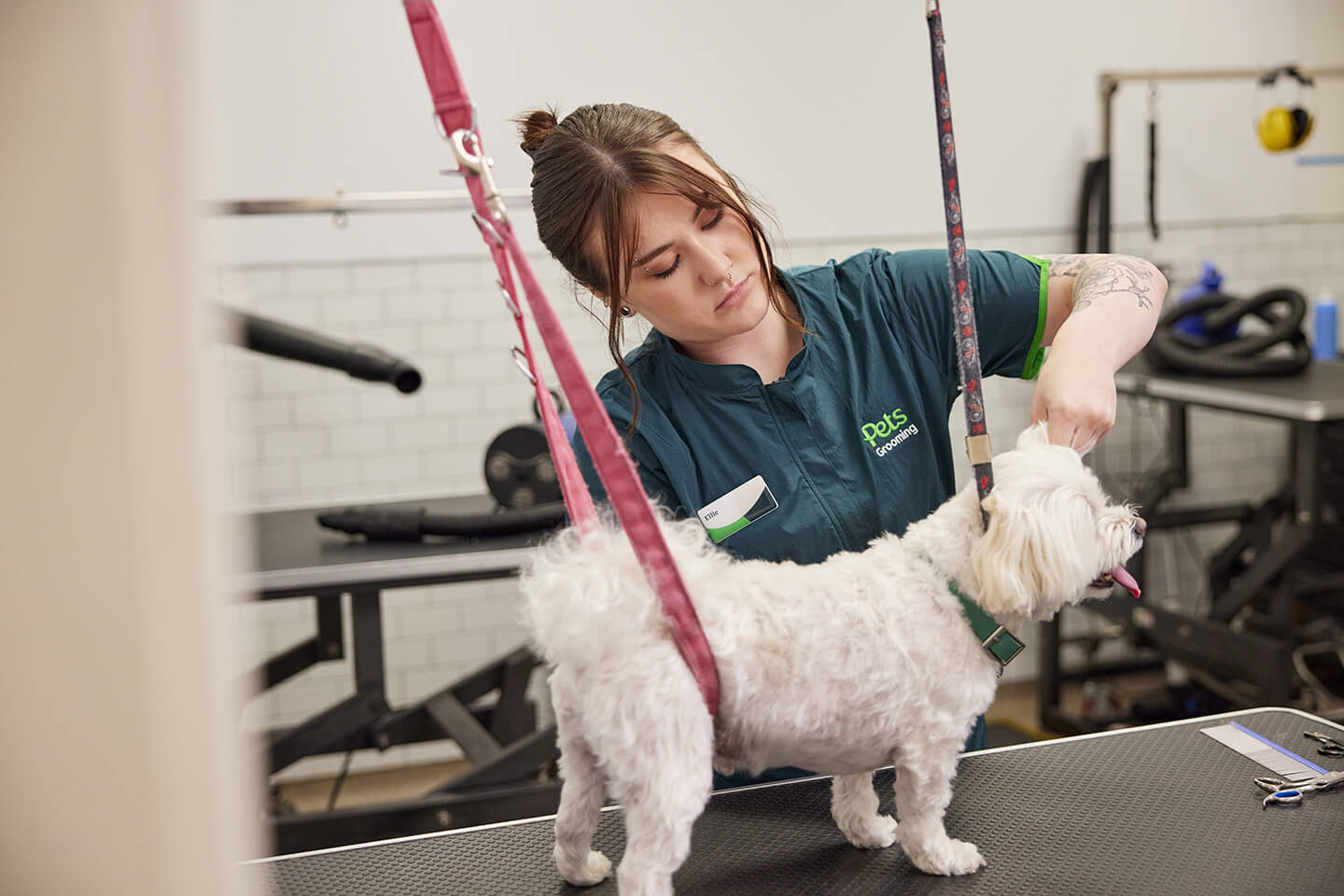
 Regular, targeted grooming measurably lowers airborne allergens by removing loose fur, undercoat and surface dander before it disperses. Gentle, coat‑appropriate brushing and periodic deshedding capture primary allergen carriers while preserving skin comfort pet grooming. Temperate, hypoallergenic baths remove pollen and dust without disrupting the skin barrier. Routine nail trimming and ear checks limit debris and microbial overgrowth. Systematic inspection detects early skin issues. Evidence supports consistent practices for both allergen control and pet well‑being; more practical steps follow.
Why Regular Grooming Lowers Household Allergens
Reducing pet dander and loose hair through regular grooming measurably decreases the primary carriers of common household allergens, such as skin flakes and saliva proteins, before they disperse into the home environment. Evidence indicates routine grooming lowers airborne allergens, improving indoor air quality and reducing exposure pet hotel kl. Objective allergen testing confirms declines after sustained grooming protocols, empowering owners to choose proactive, liberating practices.
Brushing Techniques That Remove Dander and Loose Fur
With a focus on removing loose fur and surface dander before they become airborne, properly chosen brushing techniques target the undercoat and skin surface to capture allergens directly; evidence-based methods—regular frequency, the right brush for coat type, and gentle, steady strokes—maximize removal while minimizing skin irritation, making grooming both effective for allergen control and comfortable for the animal. Deshedding tools complement slicker brushing, allowing systematic passes, short sessions, and respect for the pet’s comfort to reduce airborne allergens while preserving freedom of movement and choice.
Bathing Practices to Reduce Pollen and Skin Irritants
By focusing baths on the coat and skin barriers, caregivers can effectively remove pollen, dust, and topical irritants that cling to fur before they transfer into the home or trigger respiratory and contact reactions. Evidence supports gentle, regular bathing with hypoallergenic cleansers for targeted pollen removal and allergen reduction. Temperate water, brief sessions, and thorough drying preserve skin barrier integrity while minimizing stress and inflammation.
Nail Care and Its Impact on Home Cleanliness
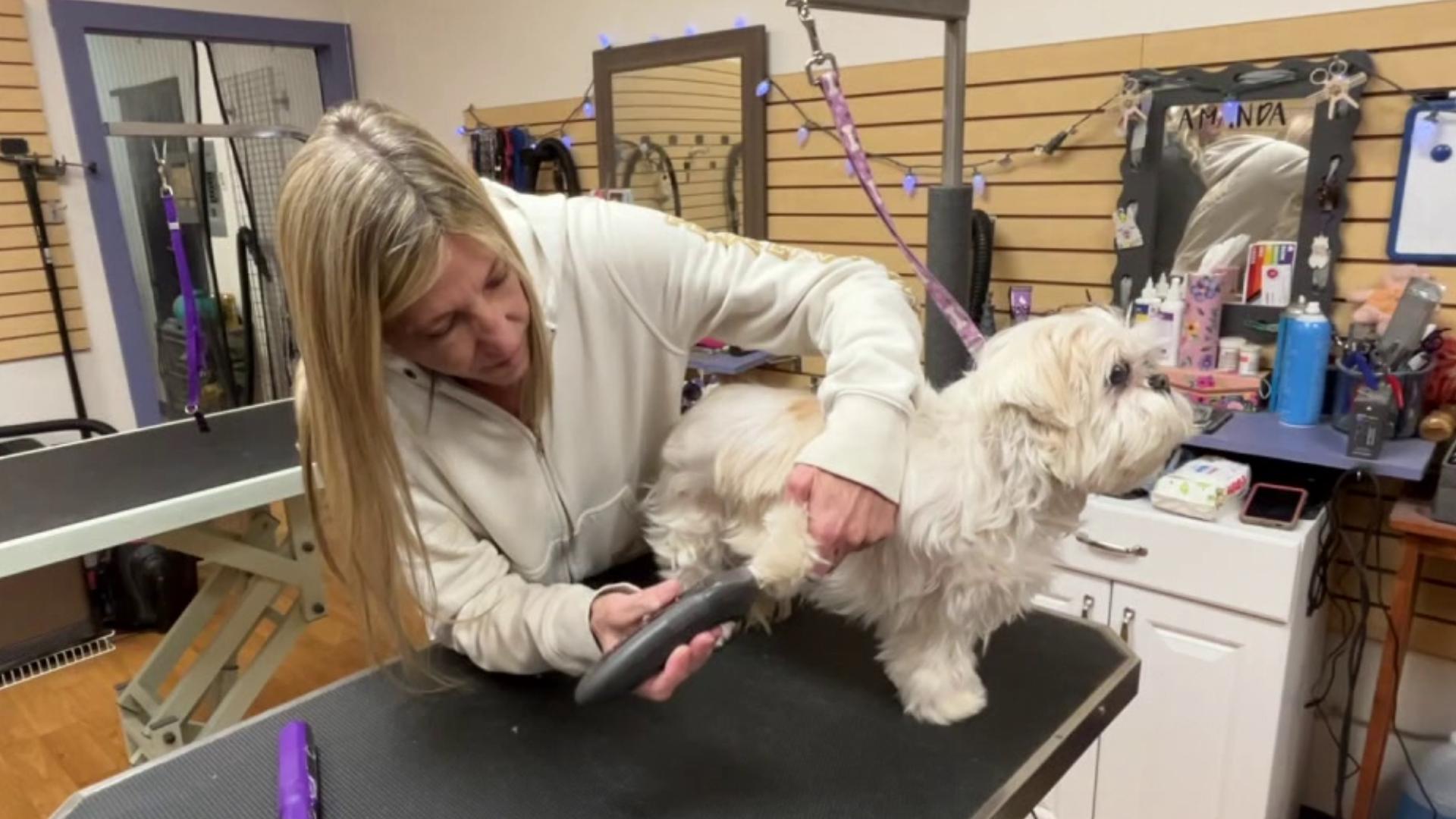
Regular trimming and smoothing of pet nails reduces scratched surfaces in the home, preserving finishes and decreasing micro-abrasions that trap dust and dander. Shorter, well-maintained nails also limit the amount of debris pets carry on paws, which in turn reduces tracking of allergens between rooms. Consistent nail care simplifies litter management by minimizing litter cling and scatter, lowering airborne particles and easing cleaning routines.
Reduced Scratched Surfaces
In households where pets receive consistent nail care, surfaces show fewer gouges and microabrasions that trap dander and allergens. Proper trimming supports furniture protection and surface preservation, reducing allergen reservoirs and easing cleaning routines. Evidence suggests modest reductions in particulate retention and wear.
- Less surface damage
- Easier allergen removal
- Prolonged upholstery lifespan
Less Tracked Debris
With trimmed nails reducing the surface area for debris to cling to, households observe a measurable decrease in outdoor particles tracked inside on paws and feet. Regular nail care yields less tracked dirt and plant matter, supporting debris reduction and lowering allergen introduction. This evidence-based practice preserves freedom of movement for pets while simplifying cleaning routines and protecting indoor air quality.
Easier Litter Management
Building on reduced outdoor debris from trimmed nails, attention turns to how nail care simplifies litter maintenance. Proper nail trimming limits tracked litter, easing cleaning and supporting efficient clumping strategies. Evidence shows routine care reduces scattering and airborne dust. Owners seeking freedom from constant chores benefit. Consider compatible scented litters cautiously to avoid respiratory irritation; prioritize low-dust options and regular scooping.
- Reduced tracking
- Easier scooping
- Lower dust
Ear Cleaning to Prevent Infections and Odors
How often should ears be checked and cleaned to reduce infections and unpleasant odors? Regular inspection every one to four weeks prevents excessive earwax buildup and maintains microbial balance; cleaning only when debris or odor appears limits disruption. Veterinary guidance tailors frequency by species, hairiness, and swimming exposure, empowering owners to act promptly, safely, and confidently while respecting pet comfort and health.
Detecting Skin Conditions Early Through Grooming
Regularly observing a pet during grooming allows owners to spot subtle changes in skin texture, color, or hydration that often precede visible disease; early detection of redness, scaling, hair loss, lumps, or hotspots enables timelier veterinary assessment and intervention.
- Systematic coat inspection reveals parasites, matting, and abnormal residues.
- Gentle skin check detects warmth, odor, or tenderness.
- Documenting findings empowers prompt, evidence-based care and owner autonomy.
When to Seek Professional Grooming Services
Noticing worrisome skin changes or limits in at-home care often signals the need for professional grooming services. Professionals assess infections, persistent itching, matted fur and recommend seasonal clipping or breed specific styling to reduce allergens and improve comfort. Referral to a veterinarian for diagnosed conditions, or scheduling regular salon visits when mobility or behavior hinders home care, preserves health and independence.
Creating a Grooming Routine for a Healthier Home
Often, establishing a consistent grooming routine markedly reduces airborne allergens and improves pet skin and coat health. A practical plan combines regular brushing, bathing, and inspection with diet adjustments and seasonal schedules to minimize dander. Evidence-based practices empower owners to protect household air quality while respecting animal comfort.
- Brushing frequency
- Bath and skin checks
- Seasonal coat management
Frequently Asked Questions
Can Grooming Reduce My Pet’s Shedding Season Entirely?
No; grooming cannot eliminate seasonal shedding entirely. It noticeably reduces loose fur, supports coat health, and eases allergen spread. Evidence-based routines—regular brushing, baths, and vet guidance—offer compassionate, freedom-respecting control, not total prevention.
Can Grooming Help With My Child’s Pet Allergies Specifically?
Yes. Grooming can reduce a child’s pet allergies by lowering pet dander and airborne particles, decreasing allergen exposure and moderating immune response; evidence-based practices, regular cleaning, and freedom-focused routines support symptomatic relief.
Are Hypoallergenic Breeds Truly Non-Allergenic After Grooming?
No — hypoallergenic breeds are not truly non-allergenic; the low shedding misconception ignores protein allergen persistence on dander, saliva, and skin. Evidence-based grooming reduces exposure but cannot eliminate allergens for sensitive individuals.
Can Over-Grooming Harm My Pet’s Skin or Coat Health?
Yes. Excessive bathing and over-grooming can damage skin barrier, cause irritation, coat thinning, and secondary infections; evidence-based care balances cleaning with moisture preservation, so caregivers should monitor, respect pet signals, and adjust routines compassionately.
Does Grooming Affect My Pet’s Behavior or Anxiety Levels?
Yes — grooming influences behavior and anxiety: consistent, bonded routines reduce stress signals and promote predictability; when conducted gently and evidence-based, grooming fosters trust, lowers arousal, and supports an animal’s autonomy and emotional wellbeing.
Conclusion
Regular, evidence-based grooming substantially reduces household allergens while enhancing pet comfort and health. Systematic brushing, appropriate bathing, nail and ear care, and vigilant skin checks remove dander, pollen, and irritants, lower infection risk, and improve living conditions for both animals and people. When needs exceed home care, professional groomers offer advanced tools and expertise. Consistent routines, tailored to each pet, deliver measurable benefits for hygiene, allergy mitigation, and early detection of health issues.
