
Dog Grooming Academy vs. Online Grooming Classes
 Tracy Robinson on
 You’ll get faster, safer, hire-ready skills at a hands-on dog grooming academy where you practice directly with dogs under instructors, learn breed-specific techniques, salon safety, and client handling. Online grooming classes cost less, fit your schedule, and let you revisit demos and theory dog grooming academy, but they’re best paired with real-world practice. Check accreditation, assessment methods, and local licensing when choosing. Keep going to see how each option matches different learning styles and career goals.

Why Choose Professional Dog Grooming Training?
If you want consistent, safe results and a marketable skill set, professional dog grooming training gives you hands-on experience, industry standards, and mentorship that online courses usually can’t match. You’ll learn breed handling techniques that protect dogs and keep trims predictable, so you can build a reliable client base. Instructors show you how to read temperaments cosmos pet universe, adjust for size and coat type, and prevent stress-related incidents. You’ll also master salon safety protocols — sanitation, equipment checks, and emergency response — which shields your business and reputation. This training accelerates competence, reduces mistakes, and gives you the confidence to work independently or scale a mobile or brick-and-mortar service. You’ll leave ready to earn, travel, and control your schedule.
Hands-On Experience: What to Expect at an Academy
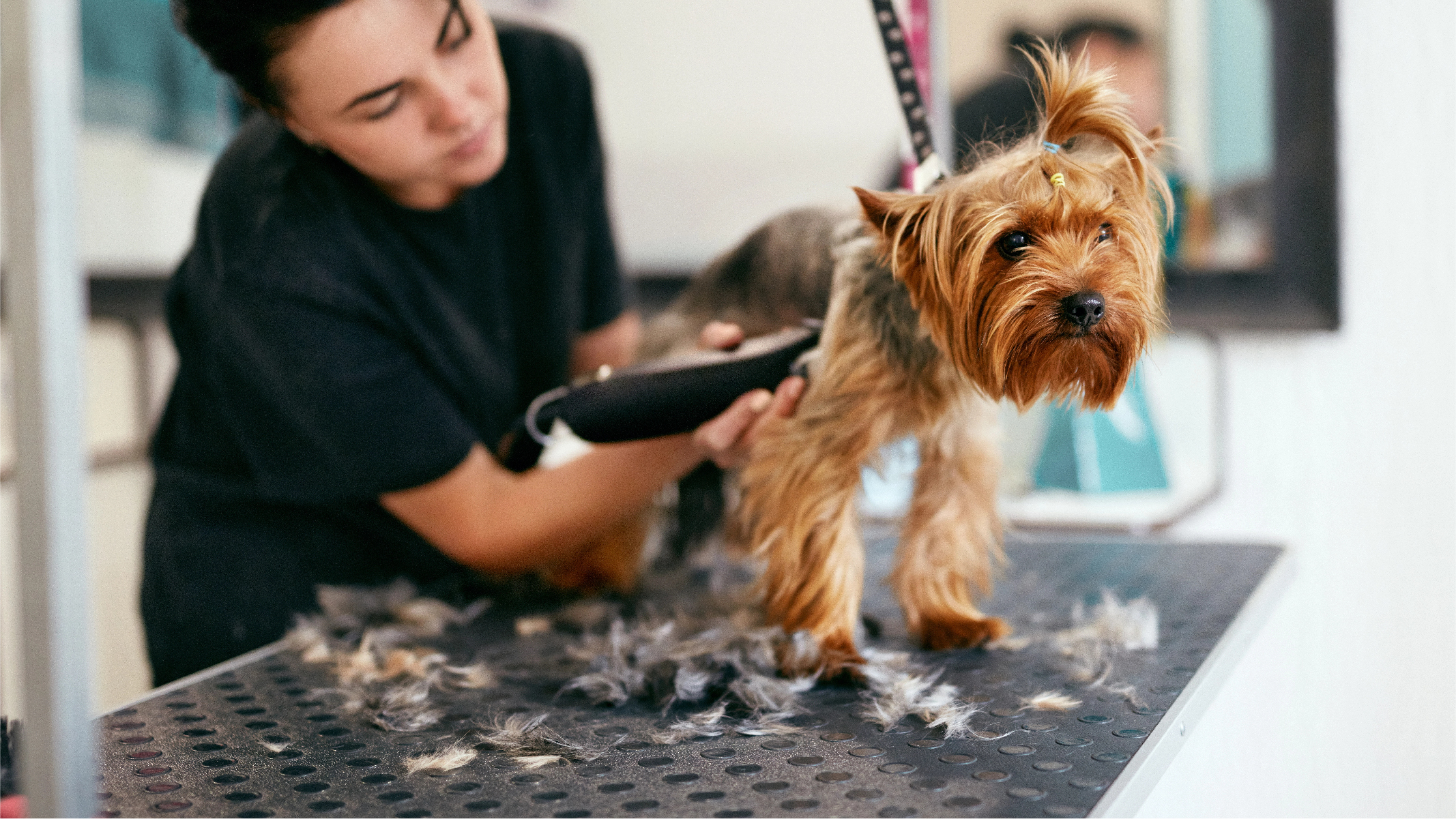
Building on the foundations of professional training, you’ll spend most of your academy time working directly with dogs under instructor supervision, turning theory into reliable skill. You’ll watch live demonstrations, practice under guided correction, and repeat techniques until they become instinctive. Expect structured modules on handling, bathing, clipping, scissoring, and breed-specific finishes, all practiced in simulated salons that mimic real shop flow. Instructors assess your speed, safety, and quality, then push you to refine weak spots while protecting animal welfare. You’ll learn to read dog behavior, manage difficult clients, and maintain sanitation standards. The experience is immersive and intentional, so when you leave you’ll have measurable competence and the autonomy to choose a grooming path that fits your lifestyle.
Flexibility and Cost: The Appeal of Online Grooming Courses
With online grooming courses, you can learn on your schedule and at a fraction of the cost of an academy, making professional training realistic even if you work full-time or live far from training centers. You’ll control pace and timing through self paced modules that let you revisit techniques until they’re second nature. Online options cut overhead — no commute, relocation, or expensive equipment up front — and often offer flexible subscription pricing so you pay for what you use. That freedom lets you stack learning around clients, shifts, or family life without sacrificing progress. Choose courses with clear lesson plans, practical demonstrations, and community support so your time investment converts into real, usable skill.
Certification, Credibility, and Licensing Considerations
Because credentialing affects client trust and legal compliance, you should weigh certification, school reputation, and local licensing requirements before choosing training. You want credentials that align with accreditation standards and state or municipal rules, whether you opt for an academy or online course. Check that certificates are recognized by local licensing boards and that instructors have verifiable experience. Verify pathways for continuing education so you can stay current and independent in your practice.
- Confirm program accreditation standards and how they map to local licenses.
- Ask whether certificates require hands-on assessments or just online tests.
- Make sure continuing education options are available to maintain credentials.
Pick the route that gives you lawful operation, market credibility, and freedom to grow.
Job Readiness: Skills Employers Look For
When you step into the hiring process, employers want proof you can handle both technical grooming and salon realities: precise scissoring and breed-specific clips, safe handling and restraint, grooming tool maintenance, and reliable sanitation practices. You’ll need demonstrable breed knowledge so you can deliver cuts that match standards and client expectations. Employers expect clean, efficient work — that’s where time management shows: on-schedule appointments, paced baths, and timely turnaround without cutting corners. Soft skills matter too: clear communication, calm handling, and a cooperative attitude in a busy shop. Show practical experience, portfolio photos, or instructor endorsements that confirm you’re ready to work independently and protect the wellbeing of dogs while supporting salon flow.
How to Decide Based on Learning Style and Career Goals
You’ve outlined what employers look for, now match that checklist to how you learn and where you want to take your career. Decide whether hands-on feedback or flexible study fits your freedom goals. If you’re a visual learners type, an academy offers demos and in-person mentorship; if you need schedule freedom, online classes let you pace toward portfolio building and niche services. Think about income timeline, location, and networking.
- If you learn by watching and doing, choose in-person training for faster skill absorption.
- If you need to build a varied portfolio while working, pick structured online courses with assignment reviews.
- If you want a salon, weigh accreditation and employer recognition over convenience.
Make a plan that aligns learning style with clear career milestones.
Conclusion
Whether you train at a hands-on academy or take online grooming classes, pick the path that matches your learning style, budget, and career goals. An academy gives practical experience, equipment access, and networking; online programs offer flexibility and lower cost. Prioritize accredited courses that provide certification and prepare you for real salon tasks employers expect. Choose deliberately: balance skill-building, credentialing, and job-readiness so you’ll enter the field confident and employable.